The Japanese yen trades at multi-decade lows against the dollar. This currency weakness is recalculating profit margins across Japan's property development sector.
The Big Picture Currency fluctuations always impact import-dependent economies, but Japan's persistent yen weakness in 2026 is creating structural pressures in cost-sensitive industries. The real estate sector, heavily reliant on imported construction materials like steel, cement, and prefabricated components, faces unprecedented cost inflation. While the Bank of Japan maintains its ultra-loose monetary policy, the divergence with the U.S. Federal Reserve's stance has widened interest rate differentials, pushing the yen to levels that complicate mid-project financial planning.
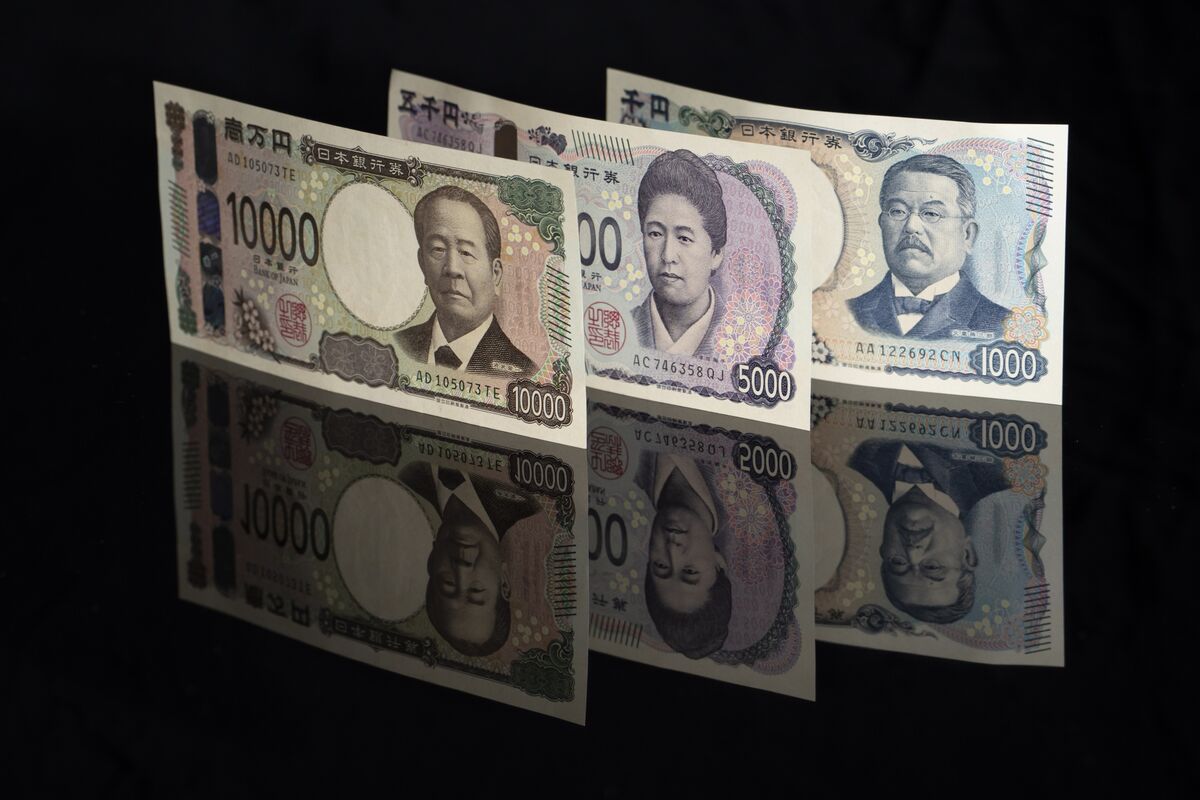
This dynamic affects both residential and commercial development. Builders who broke ground in 2024 or 2025 with budgets based on more favorable exchange rates now watch margins evaporate. Construction in Tokyo and Osaka—where large-scale projects depend on global supply chains—is particularly vulnerable. The situation creates a policy dilemma: intervening to strengthen the yen could make exports more expensive and hurt industrial competitiveness, but inaction threatens to stall the urban revitalization Japan desperately needs.
“Currency weakness is rewriting the financial models of real estate projects that seemed viable just twelve months ago.”
Why It Matters For investors in Japanese real estate, yen weakness presents a double-edged sword. Foreign investors find attractive opportunities as their dollars, euros, or yuan buy more Japanese assets. This dynamic has sustained demand for premium properties in districts like Tokyo's Minato-ku, where international buyers account for **up to 30% of transactions** in high-value segments. However, this apparent advantage is offset by rising operational and maintenance costs—denominated in yen but increasingly dependent on imported inputs.

Japanese real estate investment trusts (J-REITs) face particular pressures. Many of these vehicles carry variable-rate debt or need to refinance obligations in a rising-cost environment. Rental margins, while stable in existing properties, aren't growing fast enough to offset increases in maintenance and renovation expenses. Worse, new development projects in the planning pipeline require reevaluation, potentially slowing the asset pipeline that feeds these REITs. The situation is especially delicate for REITs specializing in logistics and retail centers, where constant renovation is essential to maintaining competitiveness.
The impact extends beyond major developers. Mid-sized and small construction firms, lacking the scale to negotiate better prices with international suppliers, face even tighter margins. This could lead to sector consolidation where only the largest players survive. Meanwhile, prices for new housing could rise, affecting affordability in a country where homeownership already challenges younger generations. Yen weakness, therefore, isn't just a currency problem but a factor that could reshape Japan's entire real estate ecosystem.