The Strait of Hormuz nears closure, threatening global oil flows. Financial markets brace for geopolitical uncertainty in South Asia.
The Big Picture The Strait of Hormuz is a critical chokepoint for global energy trade, handling about one-fifth of the world's oil. Its near-closure sends immediate shockwaves through crude prices and supply stability. In South Asia, countries like India, Pakistan, and Bangladesh rely heavily on oil and gas imports via this route, making them vulnerable to disruptions. The region is home to over 2 billion people, whose economies are intertwined with cheap, reliable energy. Any disturbance here isn't just a local issue; it's a macroeconomic event with global ripples, affecting everything from inflation to supply chains.
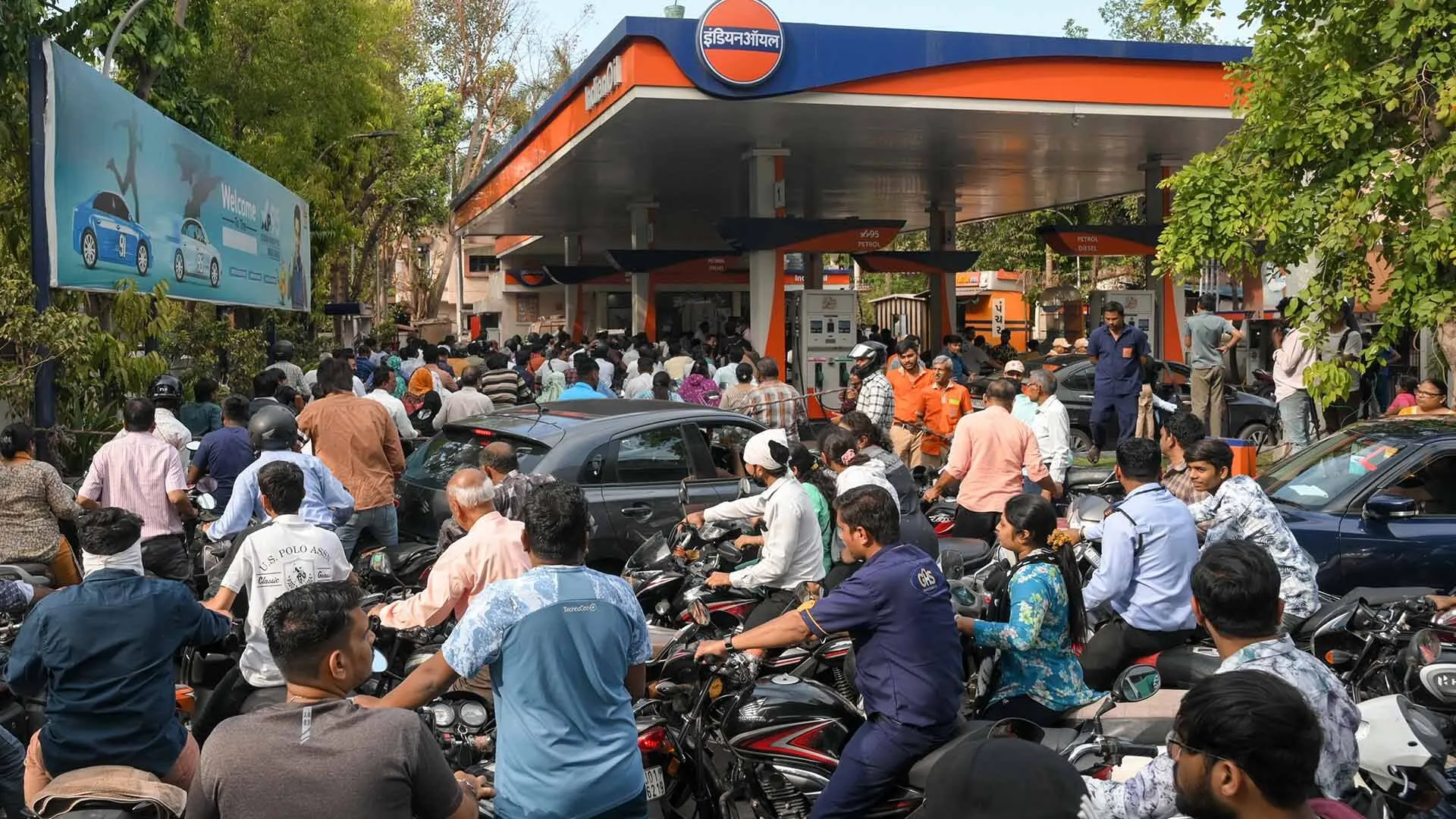
The discussion between Nisha Biswal, former U.S. Assistant Secretary of State for South and Central Asian Affairs, and Syed Akbaruddin, former Permanent Representative of India to the UN, underscores the gravity. Their panel, sourced from Bloomberg, highlights how regional political and economic leaders are weighing contingencies. With no specific numbers in the source material, qualitative analysis reveals growing anxiety among policymakers and investors. Recent history shows that crises in the Persian Gulf often lead to spikes in commodity market volatility, which in turn impacts currency rates, foreign reserves, and trade deficits in emerging economies. This context sets the stage for strategic repositioning in investment portfolios, as market players anticipate a more fragmented energy landscape.
“South Asia's resilience to the Strait of Hormuz closure is being tested, with investors reallocating capital toward energy alternatives and defensive assets.”