Global markets face another resilience test. Middle East escalation threatens capital flows in an already volatile year.
The Big Picture
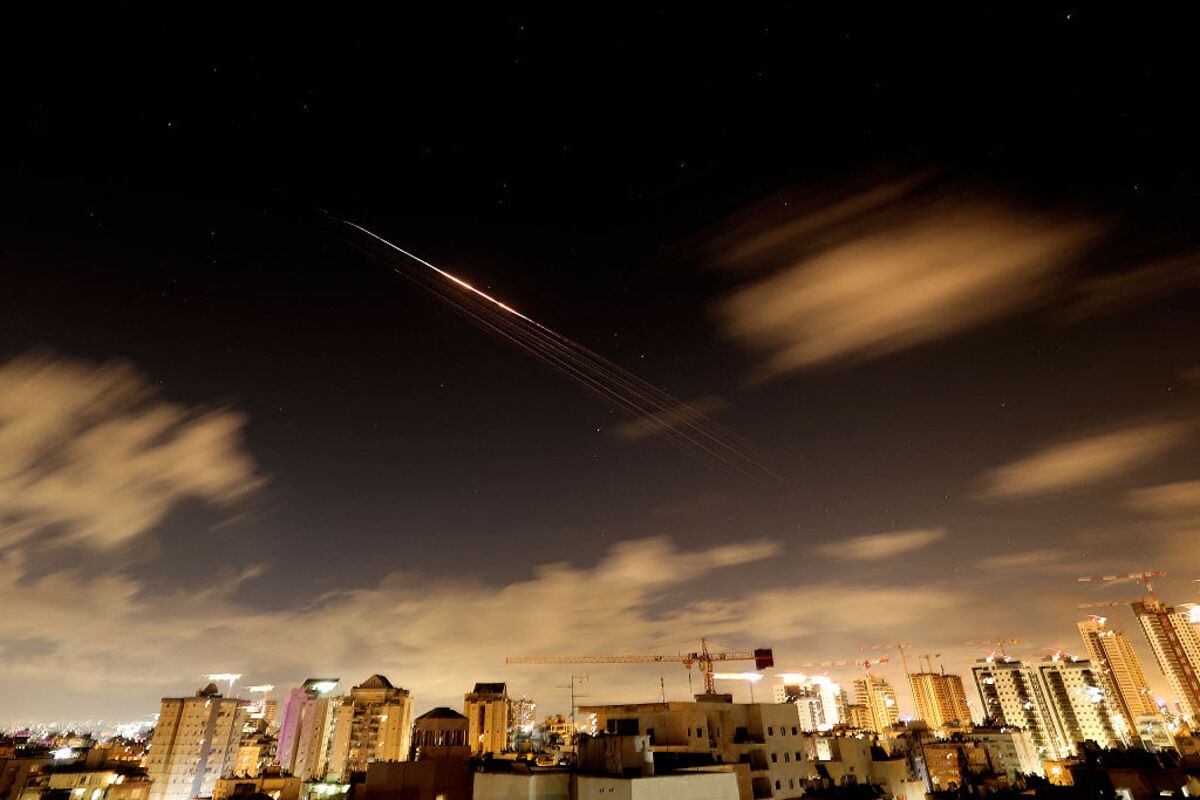
The conflict expands geographically. Yemen-based Houthi militants entered the war Sunday, according to Bloomberg Markets. Israel struck targets in Tehran. Saudi Arabia intercepted almost a dozen drones.
This isn't an isolated event. Attacks now extend into a fifth week, creating a backdrop of persistent instability. Investors face geopolitical risks that transcend regional borders.
“Geopolitical volatility has become the dominant risk factor for 2026.”
Why It Matters

Financial markets hate uncertainty. This escalation arrives at a delicate moment. The Federal Reserve continues wrestling with monetary policy decisions. Treasury yields already showed nervousness before these developments.
Commodities are the first front. Brent crude rose 3.2% in electronic trading following the announcements. Gold prices, the traditional haven, also showed strength. This pressures central banks trying to control inflation.