South Korean stocks tumble as oil prices surge. This decline threatens the fragile recovery in global tech markets after years of volatility.
The Big Picture The South Korean market, long considered the canary in the coal mine for global tech risk appetite, is showing worrying cracks. The combination of renewed geopolitical tensions and inflationary pressures is creating a toxic cocktail for investors who had cautiously returned to Asian emerging markets this year. What makes this situation particularly alarming is the timing: just as many analysts were forecasting that 2026 would mark an inflection point for tech markets after several years of adjustments.
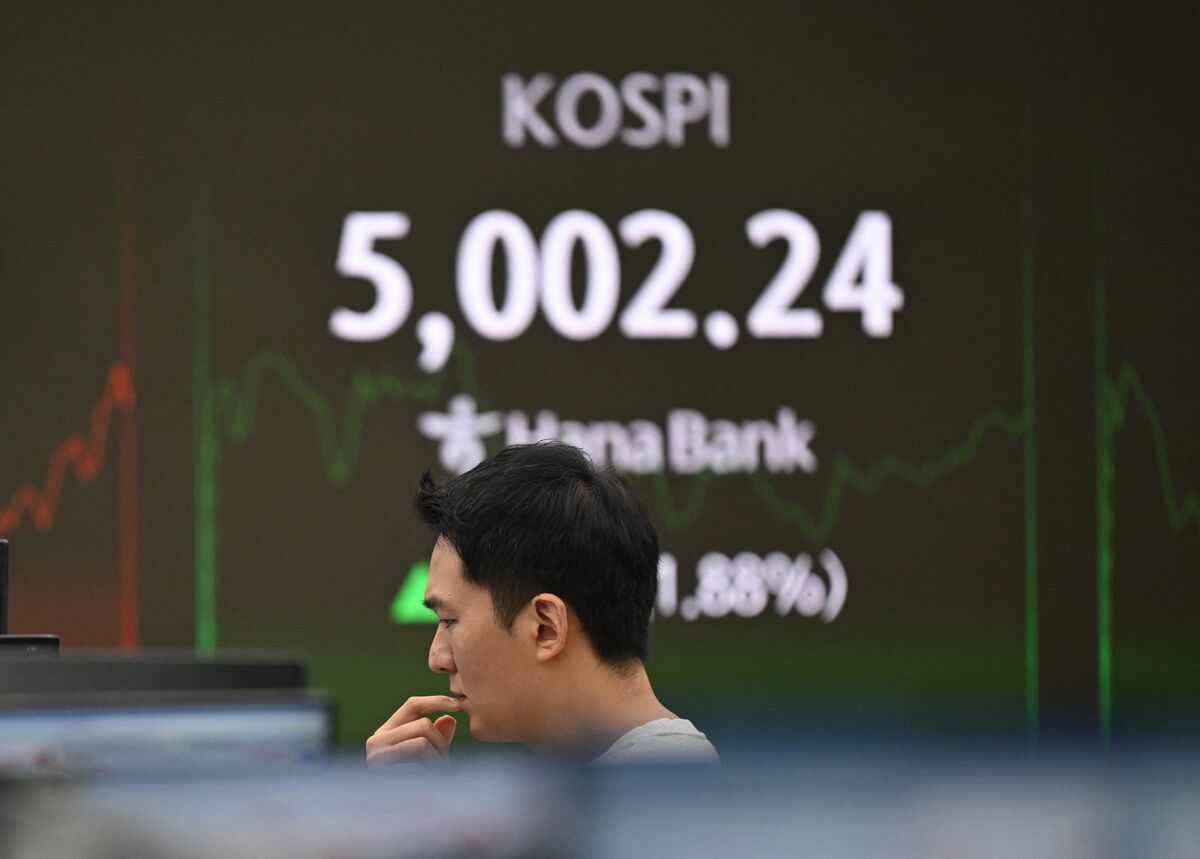
South Korea's dependence on tech exports, particularly semiconductors and displays, makes it extraordinarily vulnerable to energy price shocks. Every dollar the oil barrel climbs translates directly into higher production and shipping costs, eroding margins for companies already operating on thin profits. This dynamic isn't new, but its current intensity recalls the worst moments of the early-decade energy crisis, when global supply chains were paralyzed by geopolitical conflicts.
“The fragility of global tech recovery is exposed when oil and geopolitics collide.”
Why It Matters The South Korean market's decline isn't an isolated event but a symptom of broader vulnerability in the global financial architecture. Over the past decade, international investors have treated South Korea as a convenient proxy for Asian tech exposure, accumulating significant positions in its chip and electronics giants. When that market stumbles, shockwaves propagate quickly through global portfolios, affecting pension funds, hedge funds, and asset managers alike.

What makes this situation particularly concerning is the broader macroeconomic context. Central banks worldwide have been walking a tightrope between controlling inflation and not stifling growth, and a prolonged oil shock could upset that precarious balance. For Asian emerging markets reliant on tech exports, this could mean a double burden: higher energy costs reducing competitiveness, combined with weaker global demand as consumers face higher prices.
South Korea's exposure extends beyond its own borders. Its tech conglomerates operate factories in Vietnam, Malaysia, and Mexico, maintain research centers in Silicon Valley, and sell products on every continent. A prolonged slowdown in Seoul could therefore trigger ripple effects in seemingly unrelated economies, from German equipment suppliers to Australian rare earth miners. This interconnectedness is what turns a local market correction into a systemically important event.