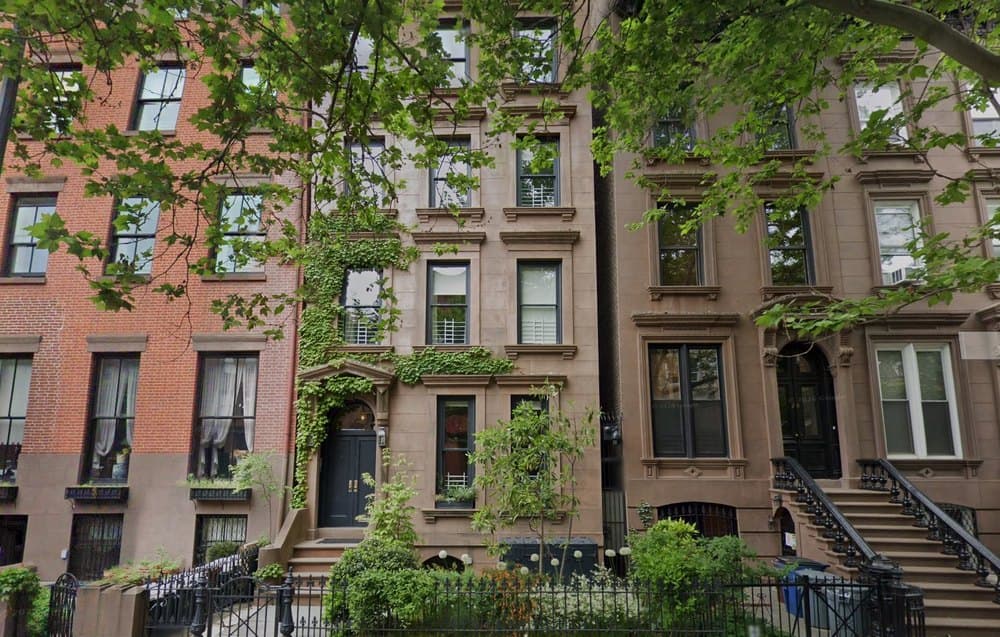
Howard Stern faces a hostile work environment lawsuit at his $50 million Hamptons estate. The case exposes hidden legal risks in luxury properties that double as operational centers.
The Big Picture

Luxury real estate has undergone a fundamental transformation. What were once purely private retreats now function as multi-purpose operational hubs where domestic staffing, business activities, and philanthropic endeavors intersect. The lawsuit against Howard and Beth Stern lays bare this uncomfortable reality: their 20,000-square-foot Southampton mansion simultaneously served as residence, feline rescue center, and workplace for employees.

The premium property market has evolved dramatically since 2020. Former vacation homes now serve as satellite offices, content studios, and bases for side operations. This multifunctionality creates legal complexities that many high-net-worth owners fail to anticipate. The line between personal life and professional operations blurs dangerously when employees live at their workplace. According to legal experts, this trend accelerated during the pandemic and has persisted into 2026, with over 40% of owners of properties valued at $10 million+ reporting some form of business activity at their primary residences.
This transformation of luxury properties reflects broader shifts in how the elite manage wealth and operations. What were once passive assets—homes for personal enjoyment—have become active centers of productivity, philanthropy, and wealth management. This evolution brings legal responsibilities that many owners haven't adequately considered, particularly in jurisdictions like New York where labor laws are especially stringent.