The U.S. labor market found a steadier footing in March 2026, offering cautious relief in a year dominated by geopolitical turmoil and persistent inflation pressures. The jobs data, with a 178,000 increase in nonfarm payrolls, represents tangible improvement from the meager 15,000 monthly average of the prior six months. For the housing sector, battered by elevated mortgage rates and volatile demand, this report functions as a temporary lifeline that could stabilize market fundamentals in coming quarters.
The Big Picture

The 2026 economic narrative has been hijacked by the Iran conflict and sticky inflation that remains above the Federal Reserve's 2% target. Against that backdrop, any sign of labor market strength is met with relief, not euphoria. The March report, with a 178,000 increase in nonfarm payrolls and an unemployment rate holding at 4.3%, represents tangible but moderate improvement. It's not a boom, but it's enough for the Federal Reserve to exhale and maintain its watchful hold, avoiding premature rate cuts that could rekindle inflationary pressures.
Demographic context is crucial for understanding these numbers. Labor force growth is slowing due to population aging, allowing the unemployment rate to stay low even with modest job gains. What's notable is the report's breadth: gains in healthcare (+52,000), construction (+25,000), and transportation (+22,000) show a more diversified recovery. After a 2025 where growth leaned almost exclusively on healthcare and social assistance, seeing other sectors participate is a welcome change of pace that suggests broader economic resilience.
The Fed is watching this closely. With inflation still above target and geopolitical uncertainty elevating energy prices, a labor market that isn't breaking is a powerful argument for keeping rates steady in the 5.25%-5.50% range. Fed officials have been clear: they prefer to err on the side of inflationary caution rather than risk a premature cut that could destabilize markets. March's employment strengthens that position, giving policymakers room to monitor how external shocks evolve before making monetary decisions.
“A labor market that stumbles but doesn't fall gives the Fed room to avoid rushing rate cuts, creating an environment of relative stability for capital markets.”

By the Numbers
- March Payrolls: Increased by 178,000, beating consensus expectations.
- Unemployment Rate: Held steady at 4.3%, a historically low level reflecting labor market tightness.
- 2026 Average To-Date: 68,300 jobs per month, up significantly from 2025's weak pace.
- Construction Employment: Rose by 25,000 positions, with residential construction showing slight recovery.
- Average Hourly Earnings: Grew 0.3% monthly, maintaining a moderate pace that doesn't add inflationary pressure.
- Federal Government Employment: Continued its decline for the third consecutive month, reflecting budgetary constraints.

Why It Matters for Housing
For the housing market, this data is a lifeline of oxygen in an environment of expensive financing. The single most important variable for home prices and sector health isn't mortgage rates per se, but consumer confidence and job security that underpin payment capacity. A solid, if unspectacular, jobs report sustains that confidence at a critical juncture. It prevents the narrative of an imminent labor market crash—and by extension, a housing crash—from gaining ground among buyers and sellers.
The winners here are clear. The construction and transportation sectors, which showed growth, are leading indicators of broader economic activity and commercial logistics. That residential construction employment "picked up just a tad" in this report, avoiding a clear breakdown, is a crucial technical signal. Historically, this sector sheds jobs aggressively heading into recession, with average declines of 15-20% during economic contractions. Its relative stability in March suggests the economy might be dodging that fate for now, providing a floor for housing prices.
Implications run deep for different market segments. For existing homes, labor stability means fewer desperation sales and less downward pressure on prices. For new housing, construction employment suggests developers maintain some confidence in future demand, though likely focused on smaller, more affordable projects. The losers are less visible but significant: continued decline in federal government employment points to budgetary pressure that could affect public-linked contracts and projects, including affordable housing and infrastructure development.
What This Means For Investors and Homebuyers

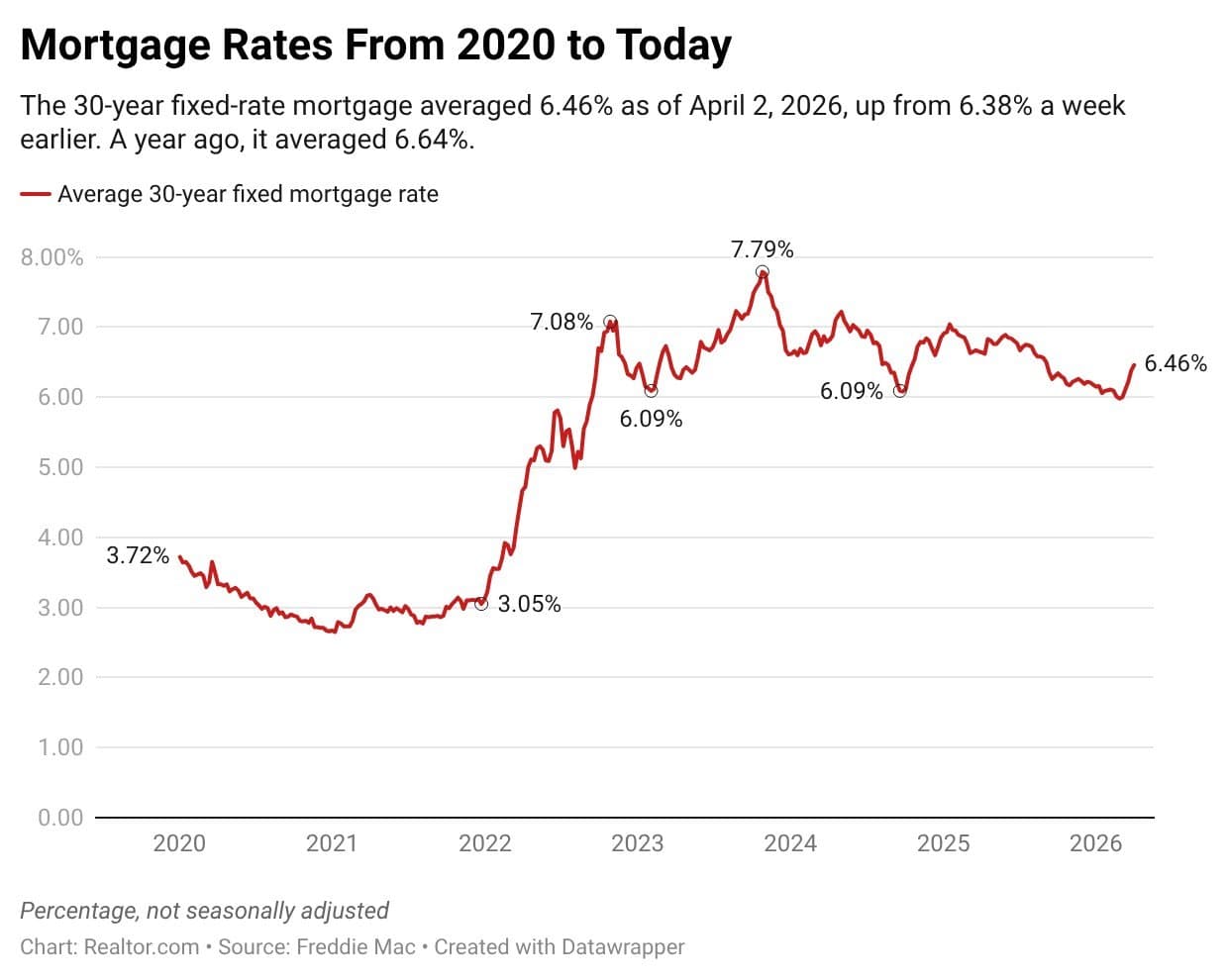
For homebuyers, the equation simplifies but doesn't cheapen. The Fed will not feel pressured to cut rates aggressively on this data, meaning mortgage rates will likely hold in the 6.5%-7.0% range through Q2. The urgency to "wait for rates to fall" loses steam against the reality of employment supporting prices, creating a precarious equilibrium where affordability remains the primary challenge.
For real estate investors, the report suggests selective opportunities. Residential REITs with exposure to diversified job markets could show resilience, while developers with projects in areas of sustained labor growth might benefit. However, caution remains warranted given the volatile geopolitical environment that could quickly shift conditions.
- 1Assess your job security, not just the rate. Your ability to service a mortgage long-term matters more than timing the rate bottom. This report suggests if you have stable employment in growing sectors, mass layoff risk is low, but diversify income streams if possible.
- 2Watch the construction sector as a leading indicator. If it keeps adding jobs in coming reports, it's a green light for demand for new housing. Consider builders and developers with ongoing projects in economically diversified markets, avoiding areas reliant on single sectors.
- 3Budget for stability, not for decline. Don't plan on significant financing cost relief in 2026. Calculate your payments at today's rates and consider adjustable-rate mortgages only if you have cushion for higher payments.
- 4Monitor services inflation. Wages in sectors like healthcare and education, which showed strength, could maintain inflationary pressures that delay Fed cuts further, affecting long-term rates.
What To Watch Next
Everything boils down to three critical factors: data revisions, Fed decisions, and geopolitical developments. A significant downward revision to March's numbers would instantly weaken this resilience narrative and could renew recession fears. The Fed has made clear its next move, when it comes, will be a cut, but every jobs report like this pushes that date possibly to late 2026 or even 2027.
The Iran conflict and oil prices are the wild card that could quickly change the calculus. A sustained rise above $90 per barrel could erode consumer confidence faster than employment can bolster it, creating a stagflation scenario particularly damaging to housing. Additionally, watch next week's JOLTS data on job openings and turnover, which will indicate whether labor market tightness is easing, allowing the Fed to consider cuts with less inflationary concern.
For the housing sector specifically, upcoming building permits and new home sales reports will be crucial. If construction employment translates into increased permit activity, it would suggest developers are responding to solid underlying demand. If not, it could indicate the uptick is temporary or concentrated in already-committed projects.
The Bottom Line
The 2026 labor market is doing the bare minimum: it's not cracking amid significant external shocks. For a housing sector accustomed to price and availability rollercoasters, that basic stability is a gift that provides a floor for activity. Don't expect a return to the cheap money era with 3% mortgage rates; that epoch is likely over. Instead, expect an environment of "uncomfortable stability" where prices hold but affordability remains challenging.
The big question for the rest of the year isn't if the Fed will cut (eventually it will), but whether fragile labor stability can bear the combined weight of geopolitical shocks, persistent inflationary pressures, and high borrowing costs. For now, the jobs data gives housing a reprieve, not a victory, but in the context of 2026, that reprieve might be enough to avoid a deeper market correction. Participants should prepare for more volatility but also recognize that employment fundamentals, while moderate, continue to provide structural support.