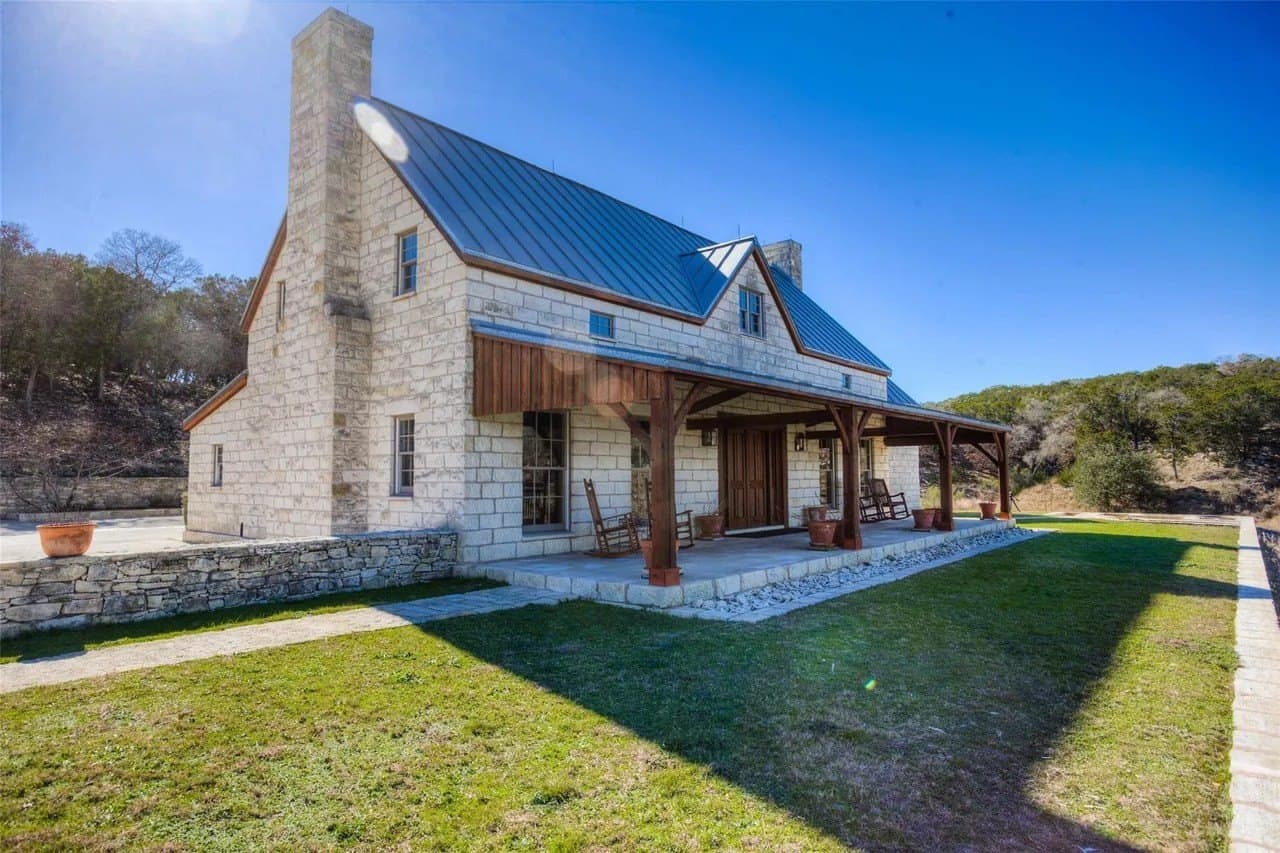
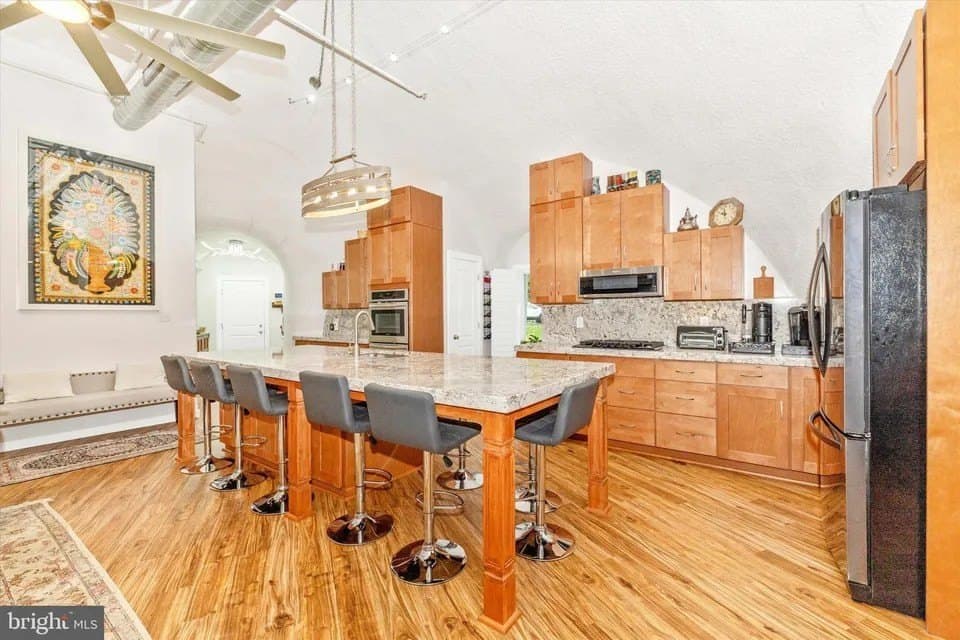
A cabin in southern Vermont, near Brattleboro, sold in just nine days for $299,000. This transaction isn't an outlier; it represents a persistent appetite for affordable, character-rich homes in secondary markets across New England. In a context where mortgage rates remain elevated and inventories are tight, the speed of this sale underscores how certain market segments maintain momentum when they blend approachable pricing with desirable traits. The property, built in 1975, offered just over 5 acres of land and approximately 1,568 square feet, attracting buyers who prioritize privacy, space, and proximity to basic amenities without sacrificing authenticity.
The Big Picture

In a national housing market where median prices exceed $400,000 in many urban and suburban areas, finding a home under $300,000 that isn't a total fixer-upper has become increasingly challenging. This Vermont case illustrates an opportunity gap in secondary and rural markets, where relative affordability attracts a new wave of buyers. Brattleboro, with its vibrant arts scene, access to natural trails, and sustainability-oriented community, epitomizes the type of destination drawing millennials, remote workers, and baby boomers seeking lifestyle changes. The pandemic accelerated this migration, but 2025-2026 data suggests the trend is solidifying, with a renewed focus on versatile spaces enabling remote work, outdoor recreation, and quieter living.
The dynamism in this segment reflects a deep reshaping of residential preferences. Buyers no longer just seek square footage; they value attributes like natural materials (wood, stone), vintage appliances that add character, and ample land offering privacy and productive potential (gardening, small-scale farming). This contrasts with the homogenization of many suburban developments, where homes lack identity and outdoor space is limited. For real estate agents and developers, this shift means adapting strategies: highlighting authentic features in listings and reconsidering projects that prioritize density over quality of life.

The sale's speed also highlights liquidity available in specific niches. Even with mortgage rates potentially around 6-7% in 2026, per Fed projections, buyers willing to trade central locations for affordability and character find opportunities. This is particularly relevant in states like Vermont, New Hampshire, and Maine, where prices, while rising, remain lower than in coastal markets like Boston or New York. This cabin case suggests that in tight markets, well-positioned properties—with a clear lifestyle narrative—can move quickly, even amid high-rate environments.
“In tight markets, character-filled homes with land can still move fast at accessible prices, provided they balance authenticity with modern functionality.”
By the Numbers

- List price: $299,000
- Days on market: 9
- Acreage: Just over 5 acres
- Square footage: Approximately 1,568 square feet
- Year built: 1975
- Average mortgage rate (2026 projection): 6-7%
- Median home price in Vermont (2025): $385,000
- Annual growth in rural property sales in New England (2024-2025): 8%

Why It Matters
This isn't an anomaly; it reflects sustained demand for single-family homes in rural or semi-rural areas with good amenity access. Winners include current homeowners in markets like Vermont, New Hampshire, or Maine, where properties with land can appreciate significantly if they balance authenticity and modernity—for example, preserving original wood beams while updating electrical systems. Losers are those overpricing generic homes in distant suburbs, lacking charm or privacy, who may face longer selling times in 2026.
The segment's dynamism suggests that, even with elevated mortgage rates, liquidity exists for well-positioned offers. For real estate agents, the takeaway is clear: highlighting features like vintage stoves, open layouts with stone fireplaces, or land with agricultural potential can differentiate competitive listings. This also pressures developers to reconsider mid-density projects in smaller communities, where demand for unique homes with land remains strong. Politically, local governments in New England may face pressure to adjust zoning regulations, allowing more creative subdivisions that maintain rural character while increasing affordable housing supply.
Furthermore, this phenomenon has broader economic implications. Increased demand in secondary markets can boost local economies, generating jobs in sectors like construction, real estate services, and tourism. However, it also poses challenges, such as inflationary pressures on land prices and potential tensions between new residents and established communities. For investors, this creates opportunities in renovating existing properties and developing infrastructure (e.g., high-speed internet in rural areas), essential for attracting remote professionals.
What This Means For You
If you're a buyer, this case offers clear lessons on how to act in a market where affordable opportunities are scarce. Prioritize properties with distinctive elements—like wood finishes, vintage appliances, or unique architectural designs—that add emotional and practical value, as these attributes can accelerate resale and enhance long-term satisfaction. For investors, areas near cultural hubs like Brattleboro represent long-term rental opportunities, especially if focused on renovations that preserve original character while improving energy efficiency, attracting tenants willing to pay a premium for authenticity.
- 1Scout properties in second-tier communities with nature access and basic services; they often offer better value than saturated urban areas, with lower taxes and living costs.
- 2Consider homes with extra acreage—5 acres or more—as a value reserve, useful for gardening, future expansion, or even complementary income through agritourism or land leasing.
- 3Don't underestimate the appeal of vintage kitchen or living room features; they can accelerate sales in saturated markets and serve as differentiation points in digital listings.
- 4Monitor local zoning policies and affordable housing subsidies, which could create purchase or development opportunities in the next 12-18 months.
What To Watch Next
The coming months will bring key data on home sales in rural Northeast U.S. areas, indicating whether this trend solidifies or faces corrections. Quarterly reports from state real estate associations in Vermont, New Hampshire, and Maine will provide metrics on inventories, prices, and days on market, crucial for identifying entry points. Also, watch for local policy announcements in Vermont or New Hampshire on zoning or affordable housing incentives that could impact supply; for example, changes allowing more accessory dwelling units (ADUs) on rural land.
Monitor mortgage rates too; a stabilization in 2026, as some economists project, might unleash more pent-up demand for properties like this, while further hikes could temporarily cool the market. Another near-term catalyst is the evolution of remote work; if more companies adopt permanent remote policies in 2026, it could further boost migration to rural areas. Finally, watch the broader economic climate; a recession could dampen demand but might also create buying opportunities for those with liquidity, especially if prices moderate.
The Bottom Line
This Vermont cabin proves that, even in a pricey market with high rates, niches exist where speed and value converge when properties offer authenticity, space, and a clear lifestyle narrative. For buyers, it means actively hunting for hidden gems with authentic traits in secondary markets, prioritizing land and character over central locations. For sellers, it means investing in improvements that highlight unique details and marketing properties not just as homes, but as life experiences. Watch how similar New England communities evolve—their success in attracting new residents while preserving identity could define the next wave of residential migration and offer lessons for other rural U.S. regions.