Iranian drones set Kuwait Petroleum Corp.'s headquarters ablaze on the morning of April 5, 2026, triggering an energy crisis that is fundamentally rewriting global real estate investment rules. What began as an isolated geopolitical incident has become a systemic inflection point, exposing the vulnerability of a sector built on decades of cheap, stable energy. Developers, investors, and property owners worldwide now confront a new reality where construction costs are no longer predictable and energy security has become a critical valuation factor.
The Big Picture
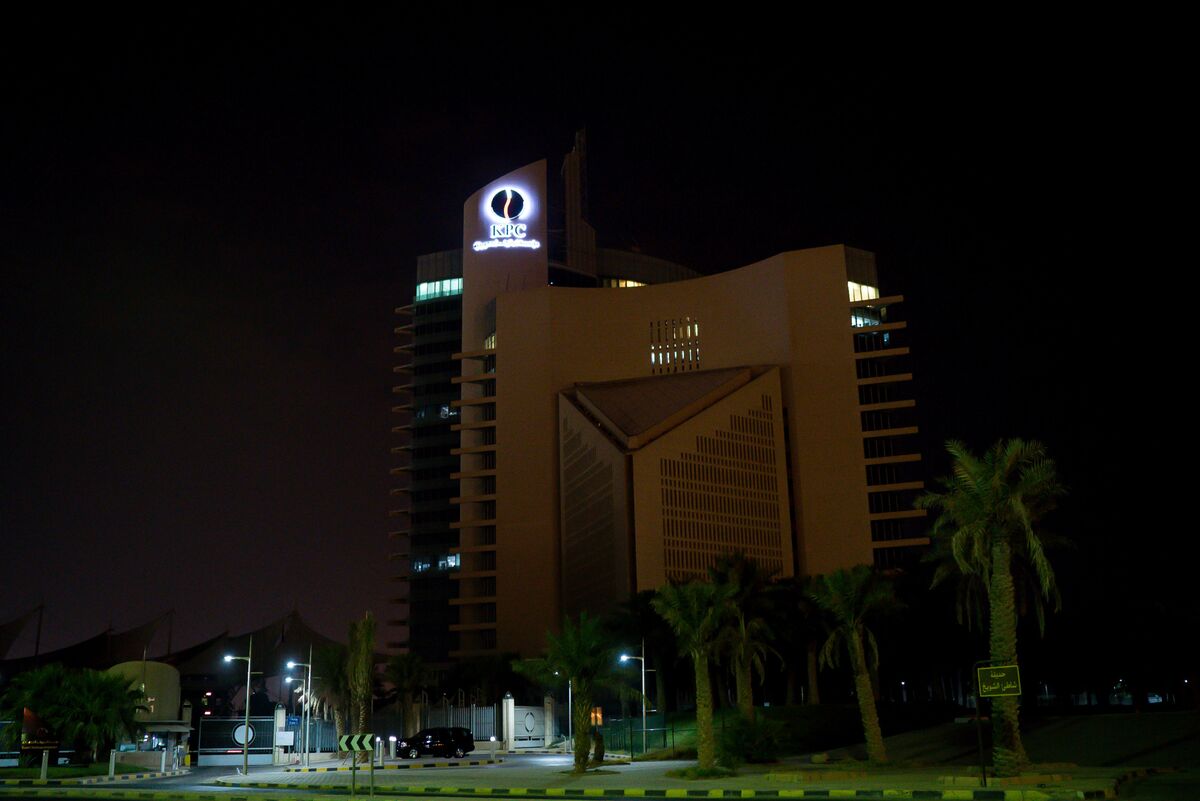
Drone strikes in the Persian Gulf used to be foreign policy page news. Not anymore. The torching of Kuwait Petroleum Corp.'s headquarters on April 5, 2026, has turned geopolitics into an immediate, quantifiable risk factor for global property markets. When oil prices spike, everything about construction gets more expensive: steel, cement, transportation, job site energy. Developers already grappling with high interest rates now face a perfect storm of input costs that threatens the viability of projects across the real estate spectrum.
The architecture of global real estate markets was built on the premise of cheap, stable energy. That foundation is cracking under the pressure of a new geopolitical normal. Repeated attacks on energy infrastructure in the Gulf aren't isolated incidents; they're symptoms of an era where supply security is no longer guaranteed and energy volatility has become a permanent variable. Real estate investors who used to worry primarily about location, design, and demographics must now incorporate geopolitical risk calculations into their valuation models, analyzing not just where to build, but when and with what energy resilience.
“Geopolitics has become the new valuation factor for real estate assets, as important as location or construction quality.”

This fundamental shift is rewriting real estate investment rules globally. Projects that seemed viable just months ago now face rapidly evaporating margins. Developers with fixed contractual commitments are particularly exposed, trapped between rising costs and preset sale prices. Meanwhile, owners of existing assets with low operating costs and integrated energy efficiency are emerging as relative winners in this new environment, demonstrating that energy resilience has become a crucial competitive advantage.
By the Numbers

- Drone strike: The April 5, 2026 incident marks the most significant attack on Kuwaiti energy infrastructure in years, temporarily disrupting 15% of the country's refining capacity.
- Cost impact: Oil prices have jumped 15% since the attack, directly pressuring construction costs that already represented 60-70% of total project value for many real estate developments.
- Market volatility: Global REITs have shown 20% higher volatility than sector averages in post-attack trading, with commercial and development REITs showing the greatest sensitivity.
- Capital shift: Institutional funds are reallocating roughly 30% of their real estate portfolios toward less energy-sensitive assets, prioritizing existing properties over new developments.
- Risk premiums: Loans for new real estate developments are seeing additional risk premiums of 0.5-1.5% incorporated by banks to cover energy exposure.
- Project cancellations: An estimated 8-12% of planned real estate projects globally are being reconsidered or canceled due to cost uncertainty.
Why It Matters
This isn't just about a burning building in Kuwait. It's about how geopolitical instability is seeping into every aspect of the global property market, from material costs to financing decisions to occupant preferences. Developers with projects underway face evaporating margins as material costs soar, forcing difficult choices between absorbing losses or passing costs to buyers and tenants. Homebuyers watch their budgets shrink as construction costs get passed through to final prices, exacerbating affordability crises in many markets.
The winners in this environment are clear: owners of existing assets with low operating costs, LEED or BREEAM energy efficiency certifications, and built-in renewable systems. Also benefiting are developers who invested early in energy efficiency and alternative materials, and markets with diversified energy grids based on renewables. The losers are everyone with exposure to new energy-intensive developments, locations with high logistical costs, or dependence on materials like steel and concrete whose production is energy-intensive.
The commercial market faces additional existential pressures. Office buildings requiring massive energy to operate HVAC systems, lighting, and technology now face not only higher operating costs but also greater expectations from corporate tenants seeking to reduce their own energy exposure. This is accelerating the obsolescence of older, inefficient buildings, creating an increasing bifurcation between "trophy" properties with green credentials and the rest of the market.
What This Means For You

Real estate investors need to fundamentally rethink strategies in a world where energy is neither cheap nor predictable. The old rule of "location, location, location" needs a crucial addendum: "energy, energy, energy." Energy-hungry assets are moving from operational inconveniences to strategic liabilities that can erode value quickly in volatile pricing environments.
- 1Review your exposure to new developments and reconsider projects reliant on energy-intensive materials like steel and concrete. Prioritize renovations and repositionings over new construction where possible.
- 2Prioritize existing properties with energy efficiency certifications and built-in renewable systems. These not only offer protection against energy volatility but also command rental premiums and have lower obsolescence risk.
- 3Diversify geographically toward markets with more stable, diversified energy grids, particularly those with high renewable penetration and low dependence on oil imports.
- 4Incorporate energy risk analysis into your due diligence models, assessing not just current energy consumption but also exposure to future price increases and climate regulations.
- 5Consider energy hedges for critical projects, using forward contracts or derivatives to lock in energy costs during key construction and operational periods.
What To Watch Next
Three critical catalysts will determine real estate market trajectory in coming months. First, OPEC+'s response to supply disruption: if they cut production to sustain high prices, construction cost pressure will persist, possibly for quarters. Second, upcoming real estate development financing rounds: watch if banks start building permanent energy risk premiums into their lending rates, which would fundamentally change the economics of new projects. Third, energy policy decisions in key markets: subsidies for energy efficiency, renewable mandates, or carbon taxes could further alter the competitive landscape.
Additionally, monitor how major global developers respond. If significant players begin canceling or postponing flagship projects, this could signal a deeper structural shift. Equally important will be watching corporate tenant behavior, whose growing attention to energy costs and sustainability credentials could accelerate migration toward more efficient buildings.
The Bottom Line
The Kuwait Petroleum Corp. attack is a brutal reminder that real estate doesn't exist in a geopolitical vacuum. What seemed like a remote risk has materialized as a tangible market force, rewriting investment rules that had remained stable for decades. Investors who ignore this new reality do so at their own peril, exposing themselves to eroded margins, obsolete assets, and missed opportunities.
Watch how developers adapt their designs incorporating more energy efficiency and resilience, how lenders adjust their models to reflect energy risks, and how buyers recalibrate expectations toward properties offering cost stability. The post-2026 property market will be shaped as much by drones as by designs, as much by geopolitics as by geography. Competitive advantage is no longer just about having the best location, but about having the least energy exposure in an increasingly volatile world.


