Malaysian tankers will sail toll-free through the Strait of Hormuz. This exemption arrives at a pivotal moment for global energy markets.
The Big Picture Transport Minister Anthony Loke's announcement that Malaysian tankers won't face Iran's Hormuz toll isn't mere diplomatic paperwork. It represents a calculated move on the geopolitical energy chessboard, where every penny of logistical cost translates directly into refining margins and end-consumer prices. The Strait of Hormuz remains the vital artery of global oil, with roughly one-third of the world's seaborne crude passing through its waters daily. Any alteration to its fee regime or access creates ripple effects stretching from California gas pumps to German power plants.
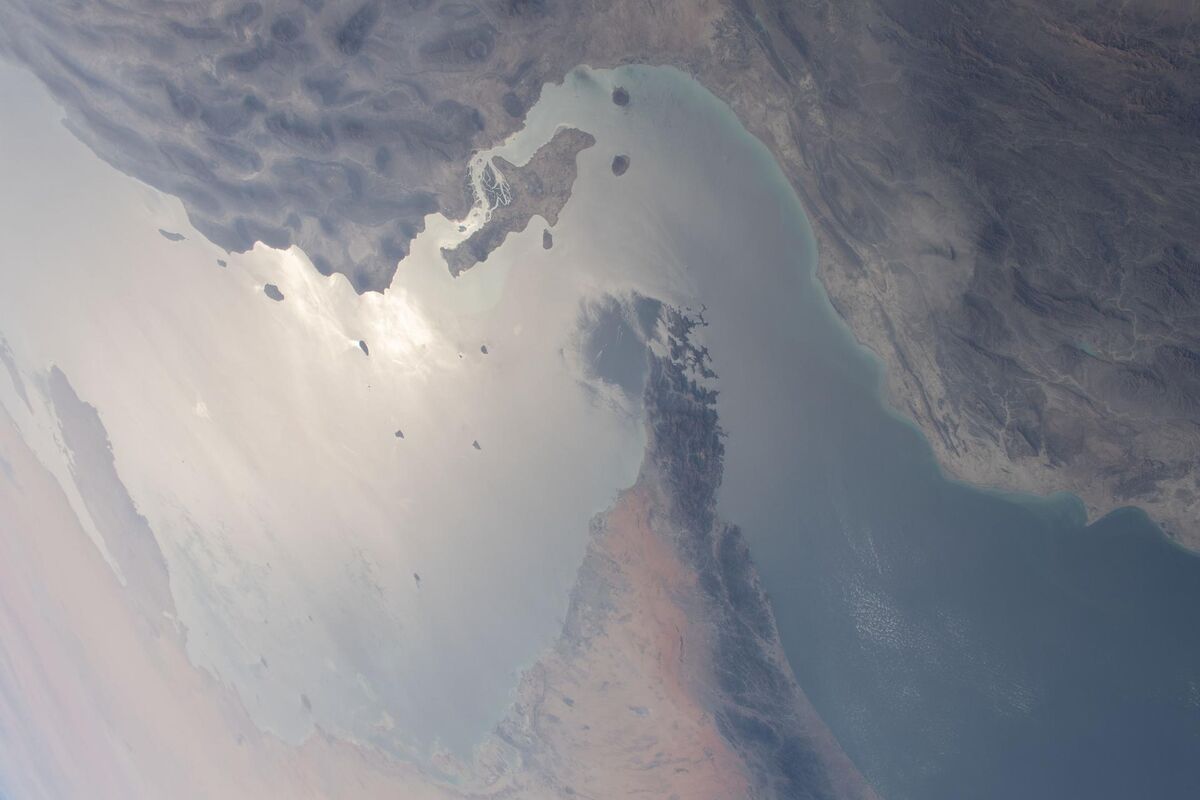
The Malaysia-specific exemption suggests carefully negotiated bilateral energy diplomacy at a time of increasing fragmentation in global trade routes. As Western sanctions continue reshaping energy flows, Asian actors are weaving their own supply networks. This isn't an isolated measure but part of a broader pattern where energy-consuming countries seek direct arrangements with producers and critical transit points, bypassing intermediaries and reducing vulnerabilities in already-strained supply chains.
“A toll exemption might seem technical, but in today's energy markets it's equivalent to structural competitive advantage.”