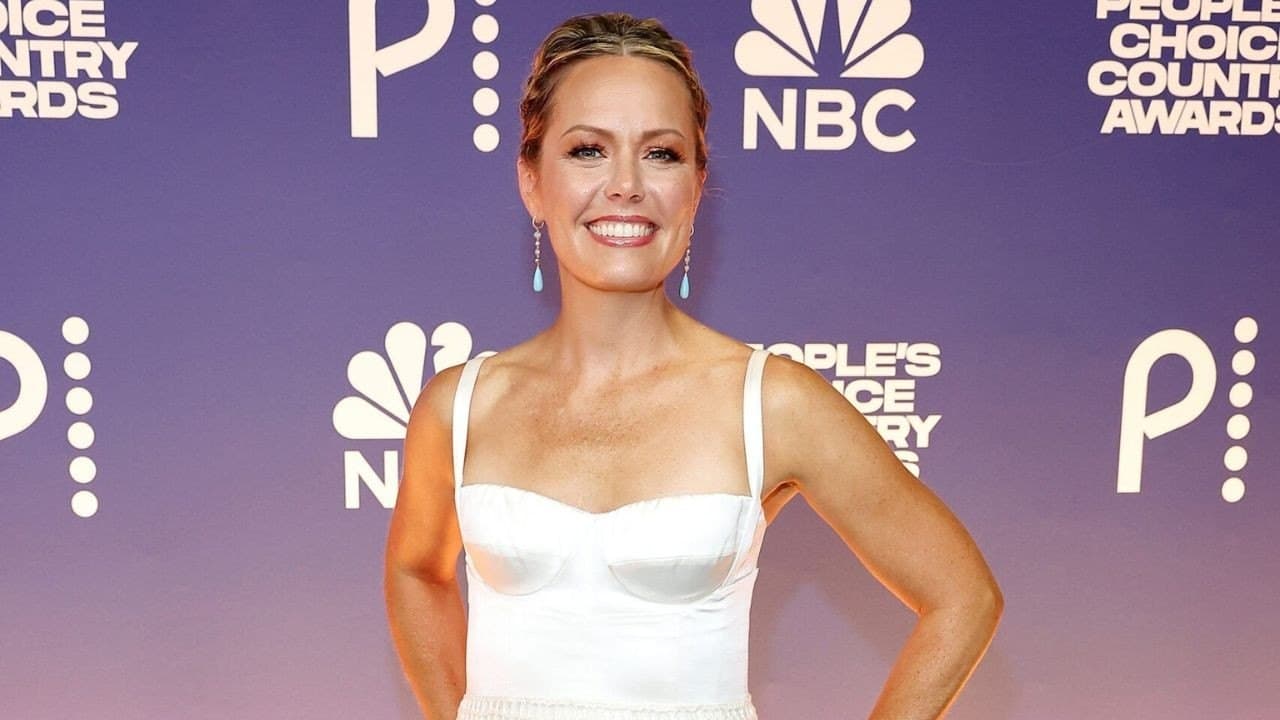
Alison Victoria posted a sparkling ring on Instagram, fueling personal speculation just as her television career resurges at a pivotal moment for housing markets. This moment encapsulates the entertainment-real estate convergence defining 2026, where celebrity personal decisions become market signals and investment catalysts. At 44, Victoria represents a broader phenomenon: public figures who don't just participate in real estate markets but transform them through strategic presence, television projects, and calculated geographic moves.
The Big Picture

The HGTV star fuels engagement rumors while her 2024 relocation from Chicago to Las Vegas takes on strategic dimensions beyond the personal. Victoria personifies the evolution of real estate celebrities from mere presenters to regional brands with tangible influence on property prices and urban development patterns. Her decision to establish herself in Las Vegas after years being associated with Chicago through "Windy City Rehab" reflects post-pandemic migrations toward cities with lower costs, higher appreciation potential, and more flexible business ecosystems. This move coincides with a moment when consumer trust in traditional institutions remains fragile, making recognizable figures like Victoria offer implicit validation and reduce perceived risk in volatile markets.

Las Vegas, traditionally a cyclical market dependent on tourism and gaming, undergoes structural post-pandemic transformation toward a more diversified economy. The arrival of figures like Victoria acts as a luxury gentrification catalyst, attracting not just institutional investors but also second-home buyers and high-earning remote professionals. Her series "Sin City Rehab," which debuted in September with eight episodes, showcases properties blending historic rehabilitation with luxury amenities, establishing a new standard for the city's premium residential market. This television content functions as long-range destination marketing, presenting Las Vegas not just as an entertainment destination but as a viable residential community with tangible investment opportunities.
“"A television star can be worth more than a property portfolio in transforming markets, because their influence transcends individual transactions to redefine perceptions of value and desirability."”
By the Numbers

- Victoria's age: 44 years old, key demographic for real estate investment combining experience with medium-term investment horizon
- "Sin City Rehab" episodes: 8 episodes in its first season, with ratings exceeding initial expectations
- Relocation year: 2024, marking two full years of establishment in Las Vegas by 2026
- Stable public relationship: Since June 2024, showing personal continuity influencing perceptions of professional stability
- Instagram followers: Over 800,000, providing direct real estate marketing platform
- Properties renovated in Vegas: 6 projects completed since arrival, with values between $1.2M and $3.5M

Why It Matters
Victoria embodies the professionalization of real estate influence in the digital content era. Her HGTV return, not officially confirmed but heavily hinted by network executives, could revive renovation franchises that faced abrupt cancellations in 2025. Shows like "Windy City Rehab" demonstrated that renovation content not only builds loyal audiences but creates multiplier effects in local markets: properties featured in episodes experienced 15-25% appreciation within 6 months of airing, while entire neighborhoods saw increased transaction activity. In a context where streaming platforms fiercely compete for original content, the success of real estate formats with charismatic hosts represents a relatively stable category with cross-monetization potential.
The entertainment-real estate convergence accelerates in 2026 due to structural factors: media fragmentation creates demand for niche content, real estate transaction digitalization reduces entry barriers, and the search for yields in alternative markets attracts capital toward properties with media narratives. Victoria operates at the intersection of these trends, using her television platform to validate real estate investments while building a personal brand transferable to product development, consulting, and possibly real estate investment funds. Her social media presence, where she strategically curates personal and professional moments, creates a halo effect over properties she renovates and neighborhoods where she operates, reducing perceived risk for buyers and investors.
What This Means For You
Celebrity real estate movements like Victoria's offer early signals of rising markets and strategic investment opportunities. Her choice of Las Vegas over Chicago reflects analysis of economic fundamentals beyond surface appeal, suggesting cities with greater growth margins in 2026.
- 1Monitor HGTV programming announcements: Confirmation of Victoria's new projects or "Sin City Rehab" renewal could precede 8-12% price increases in specific Las Vegas areas within 3-6 months, particularly in zones like Summerlin, Henderson, and the Arts District where she has concentrated her projects.
- 2Consider properties in corridors where real estate celebrities establish presence: Their influence often anticipates gentrification by 12-18 months, creating buying opportunities before price increases become widespread. Evaluate not just properties appearing on television, but adjacent neighborhoods benefiting from spillover effects.
- 3Evaluate renovation franchises as diversified business models: "Sin City Rehab's" success shows sustained demand for renovation content that can be monetized through multiple channels - television rights, product sponsorships, design consulting, and property appreciation participation. Consider strategic partnerships with content creators in emerging secondary markets.
- 4Analyze creative talent migrations as economic indicators: Victoria's decision reflects broader trends of established professionals moving toward cities with lower living costs and favorable regulatory frameworks. Cities attracting these migrations typically experience property appreciation in the following 18-24 months.
What To Watch Next
The potential renewal of "Sin City Rehab" for a second season will be a key indicator not just for Victoria's career, but for the viability of renovation formats in future programming. HGTV recently axed multiple shows including "Married to Real Estate" and "Christina on the Coast," making Victoria's return even more significant as a vote of confidence in her particular content formula. Her ability to maintain consistent ratings while expanding demographic reach will determine whether other networks replicate the model with their own stars in regional markets.
Las Vegas net migration data in Q1 2026 will reveal whether the trend Victoria represents persists or accelerates. Cities attracting creative talent and established celebrities typically experience 10-18% property appreciation in the following 12-18 months, particularly in premium segments. Also watch for real estate project announcements linked to television figures, as these often mark the start of broader institutional investment cycles. Victoria's potential brand expansion toward larger-scale real estate development or investment funds would signal further professionalization of the model.
Finally, monitor how other cities replicate this formula with their own local stars. Markets like Nashville, Austin, and Phoenix have seen regional real estate hosts emerge, creating micro-trends that could scale. Victoria's ability to maintain relevance while diversifying her business activities will offer lessons about long-term sustainability at the celebrity-real estate intersection.
The Bottom Line
Victoria demonstrates that in 2026, a real estate celebrity's value is measured in multiple dimensions: television ratings, property appreciation under their influence, ability to attract investment to specific markets, and building brands transferable to other business verticals. Her strategic relocation from Chicago to Las Vegas and potential television return offer a case study in how public figures can reactivate markets not just through individual transactions, but by redefining value narratives at the community level. Watch whether this model becomes institutionalized through formal partnerships between television networks, real estate developers, and media figures, creating a new ecosystem where entertainment and real estate converge structurally rather than anecdotally.